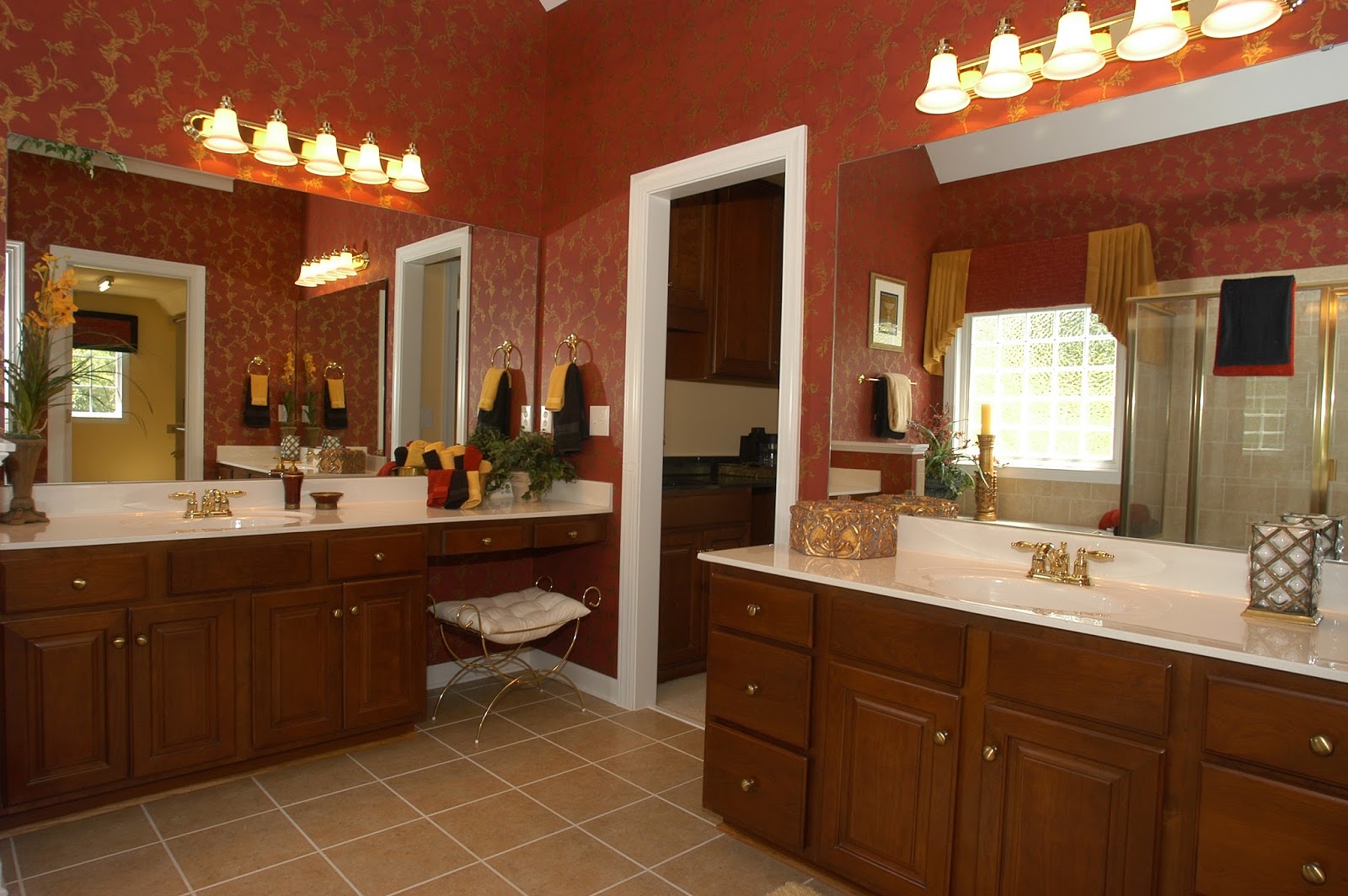
Buying a house is a daunting task. There are so many different things that to consider. How much house can you afford? What is a good neighborhood for the kids? What size of yard do you want to take care of? There are so many sources that you can muddle through. Sometimes its hard to even know where to start. I have done some research and will be posting the articles over several posts. Hopefully this will help you in your search for your perfect home.
The article below is from
CNN Money
Tips for buying a house
The top 10 things you need to know when
buying a home.
1. Don't buy if you can't stay put.
If you can't commit to remaining in one place for at least a
few years, then owning is probably not for you, at least not yet. With the
transaction costs of buying and selling a home, you may end up losing money if
you sell any sooner - even in a rising market. When prices are falling, it's an
even worse proposition.
2. Start by shoring up your
credit.
Since you most likely will need to get a mortgage to buy a
house, you must make sure your credit history is as clean as possible. A few
months before you start house hunting, get copies of your credit report. Make
sure the facts are correct, and fix any problems you discover.
3. Aim for a home you can really
afford.
The rule of thumb is that you can buy housing that runs
about two-and-one-half times your annual salary. But you'll do better to use one
of many calculators available online to get a better handle on how your income,
debts, and expenses affect what you can afford.
4. If you can't put down the usual 20
percent, you may still qualify for a loan.
There are a variety of public and private lenders who, if
you qualify, offer low-interest mortgages that require a small down payment.
5. Buy in a district with good schools
In most areas, this advice applies even if you don't have school-age children.
Reason: When it comes time to sell, you'll learn that strong school districts
are a top priority for many home buyers, thus helping to boost property
values.
6. Get professional help.
Even though the Internet gives buyers unprecedented access
to home listings, most new buyers (and many more experienced ones) are better
off using a professional agent. Look for an exclusive buyer agent, if possible,
who will have your interests at heart and can help you with strategies during
the bidding process.
7. Choose carefully between points and
rate.
When picking a mortgage, you usually have the option of
paying additional points -- a portion of the interest that you pay at closing --
in exchange for a lower interest rate. If you stay in the house for a long time
-- say three to five years or more -- it's usually a better deal to take the
points. The lower interest rate will save you more in the long run.
8. Before house hunting, get
pre-approved.
Getting pre-approved will you save yourself the grief of
looking at houses you can't afford and put you in a better position to make a
serious offer when you do find the right house. Not to be confused with
pre-qualification, which is based on a cursory review of your finances,
pre-approval from a lender is based on your actual income, debt and credit
history.
9. Do your homework before
bidding.
Your opening bid should be based on the sales trend of
similar homes in the neighborhood. So before making it, consider sales of
similar homes in the last three months. If homes have recently sold at 5 percent
less than the asking price, you should make a bid that's about eight to 10
percent lower than what the seller is asking.
10. Hire a home inspector.
Sure, your lender will require a home appraisal anyway. But
that's just the bank's way of determining whether the house is worth the price
you've agreed to pay. Separately, you should hire your own home inspector,
preferably an engineer with experience in doing home surveys in the area where
you are buying. His or her job will be to point out potential problems that
could require costly repairs down the road.